Showing posts with label Festivals. Show all posts

Wednesday, April 9, 2014

Exploring Iloilo Made Easy

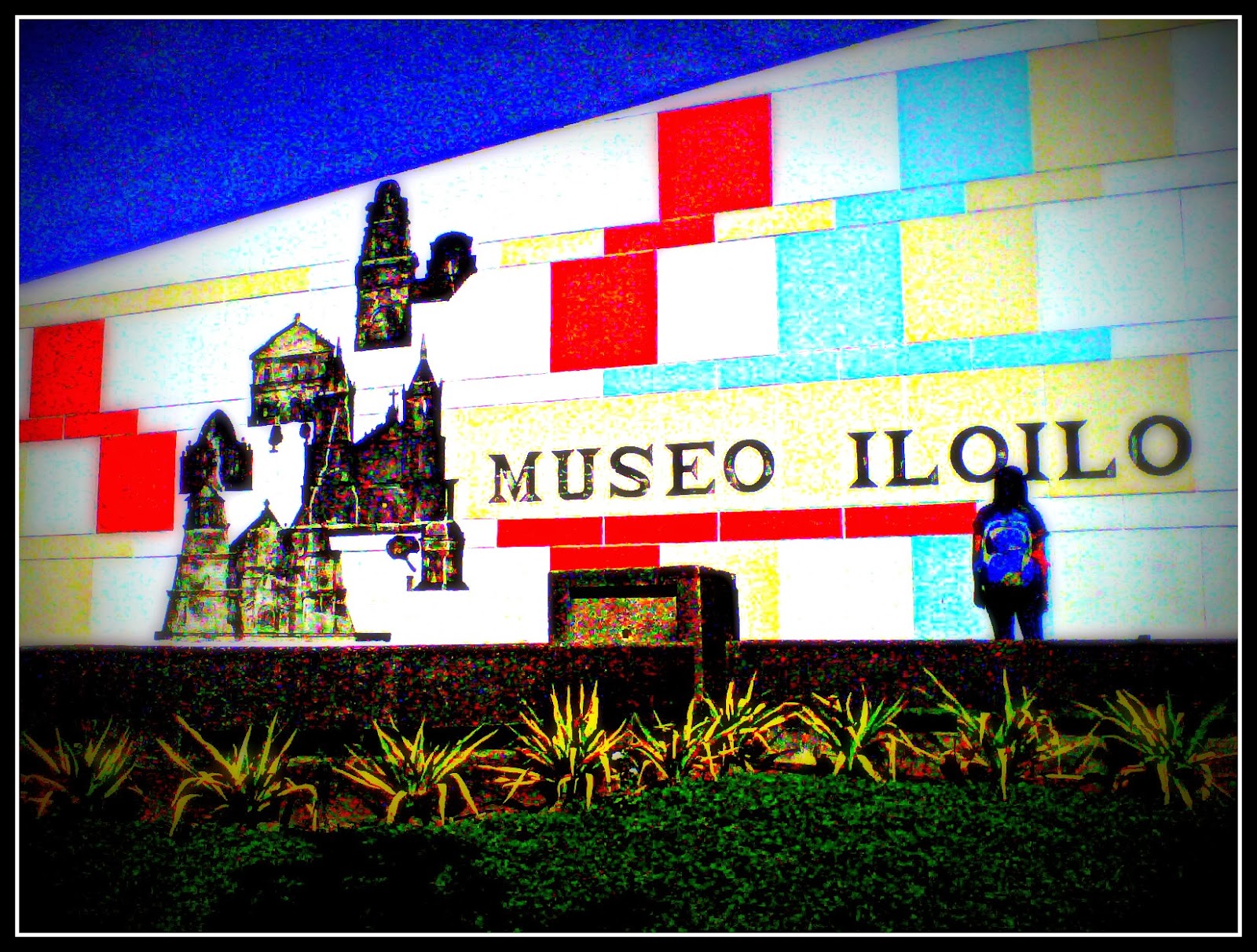
http://prinsesamusang.wordpress.com/2011/11/04/more-iloilo-tourist-spots-museo-iloilo-tibiao-fish-spa/


Located in a heart-shaped island at the central part of the Philippines, Iloilo is a major travel, commercial, heritage, and agricultural center. Its fertile land nourished a people, the Ilonggos, distinguished for the warm and romantic song-like melody of their spoken language, Hiligaynon.

Iloilo's rich heritage is showcased in its delicious cuisine, treasured historical buildings, cultural traditions, and in many exciting festivals celebrated in Iloilo city and various towns of the province.

Go to this website:  http://www.exploreiloilo.com/guide/iloilo-hotels/

Saturday, February 8, 2014

Araw ng Dabaw 2014

The people of Davao City will be marking this year’s Araw ng Dabaw festivities on March 16. The day, which falls on a Saturday, is a special non-working holiday in the city as declared by Republic Act 7551.


The law, which was enacted in 1992 during the time of then-President Corazon Aquino, says that officials of Davao City shall “lead appropriate and meaningful celebrations and activities participated in by officials and employees of the national government agencies or instrumentalities, civic, religious and nongovernment organizations, and private companies” doing business there.


Thursday, January 30, 2014

How Is Chinese New Year Celebrated?


How is Chinese New Year celebrated?


In China, New Year traditions vary depending on the region, although there are a number of customs that remain at the heart of /all/ Chinese New Year celebrations. 


Cleaning
Out with the old and in with the new. In the run up to New Year, houses are cleaned top to bottom. Some Chinese people take a bath with pomelo leaves (a citrus fruit native to South East Asia) as it's believed to enhance prosperity for the coming year. It is also traditional not to wash your hair during the initial days of New Year as it risks washing out any newly acquired prosperity.


Decoration
Doorways, windows and various other parts of houses are decorated with red ribbons and banners to ward off evil. It is also customary to put on brand new red clothes – red being a colour associated with good luck - in the early hours of New Year's Day as it is thought to ward off evil and symbolises a new start.


New Year's Eve meal
Chinese New Year is a time for families to reunite and the New Year's Eve meal is the most important of the year. Dumplings and fish are served as symbols of prosperity and children receive gifts, including envelopes filled with money.


Fireworks
It wouldn't be Chinese New Year without fireworks and fire-crackers. Traditionally they are set off on New Year's Eve in order to bid farewell to the old year and usher in the new.


Festival of the Lanterns
The 15th day of the festival is known as the Festival of the Lanterns. It marks the last day of the lunar year and the end of all Chinese New Year celebrations. Red paper lanterns of all shapes and sizes are hung in streets and from almost all houses. Children often make their own lanterns in order to light the way as they stroll through the streets with friends and family. Many people write poems on the lanterns, while others inscribe riddles for others to solve in exchange for small gifts.
Gung Hai Fat Choi!  (gong-hey-faat-choy) · 
Where is Chinese New Year Celebrated?


Where is Chinese New Year celebrated?   

The largest celebrations take place in China, naturally, although countries with a large Chinese population also mark the day. The biggest celebrations outside of mainland China are in Hong Kong, Macau, Taiwan, Singapore, Thailand, Indonesia, Malaysia and the Philippines.


The largest celebration outside Asia takes place in London. The festival begins on 30 January and the main event will be a huge parade through Chinatown and the West End on Sunday 2 February. There are similar celebrations in Chinatowns in cities around the world.

What is Chinese New Year

TO many people Chinese New Year is little more than a novelty; a colourful celebration marked by firecrackers and dancing Chinese dragons. But scratch the surface of what is one of China's oldest festivals and you will find much more than food and festivities.

Here's what you need to know:
What is Chinese New Year?
New Year is one of China's oldest festivals. It marks the beginning of a new year and a new agricultural season, and is considered a time for loved ones to reunite and take part in traditions designed to bring good fortune for the next 12 months.
The noise and colour come from one of the legends associated with the celebrations - that of the beast Nian, a monster which would appear at the end of every year and attack people. Villagers worked out that loud noise, bright lights and the colour red kept Nian at bay, and so the seeds of Chinese New Year celebrations were sown.


When is Chinese New Year?
Chinese New Year is held each year between 21 January and 20 February. The main celebration will be held this year on 31 January, although the festival will begin a day earlier. The Chinese calendar's origins can be traced back as far as the 14th century BC. This year's celebrations will mark the beginning of the year 4712 on the Chinese calendar.


The exact date of Chinese New Year is determined by the lunisolar cycle. That means the calendar is based on exact astronomical observations of the sun's longitude and moon phases, explains the Time and Date website.

Trending Posts